
Introduction
Every time a striker sends the ball rippling into the net at the FIFA World Cup 2026, millions of eyes follow its arc. Few of those viewers will pause to ask: Where did this ball come from?
The answer lies 5,000 miles from the stadiums, in Sialkot, a city of roughly two million people in northeastern Pakistan that has never qualified for a World Cup, yet produces the very instrument that makes the tournament possible.
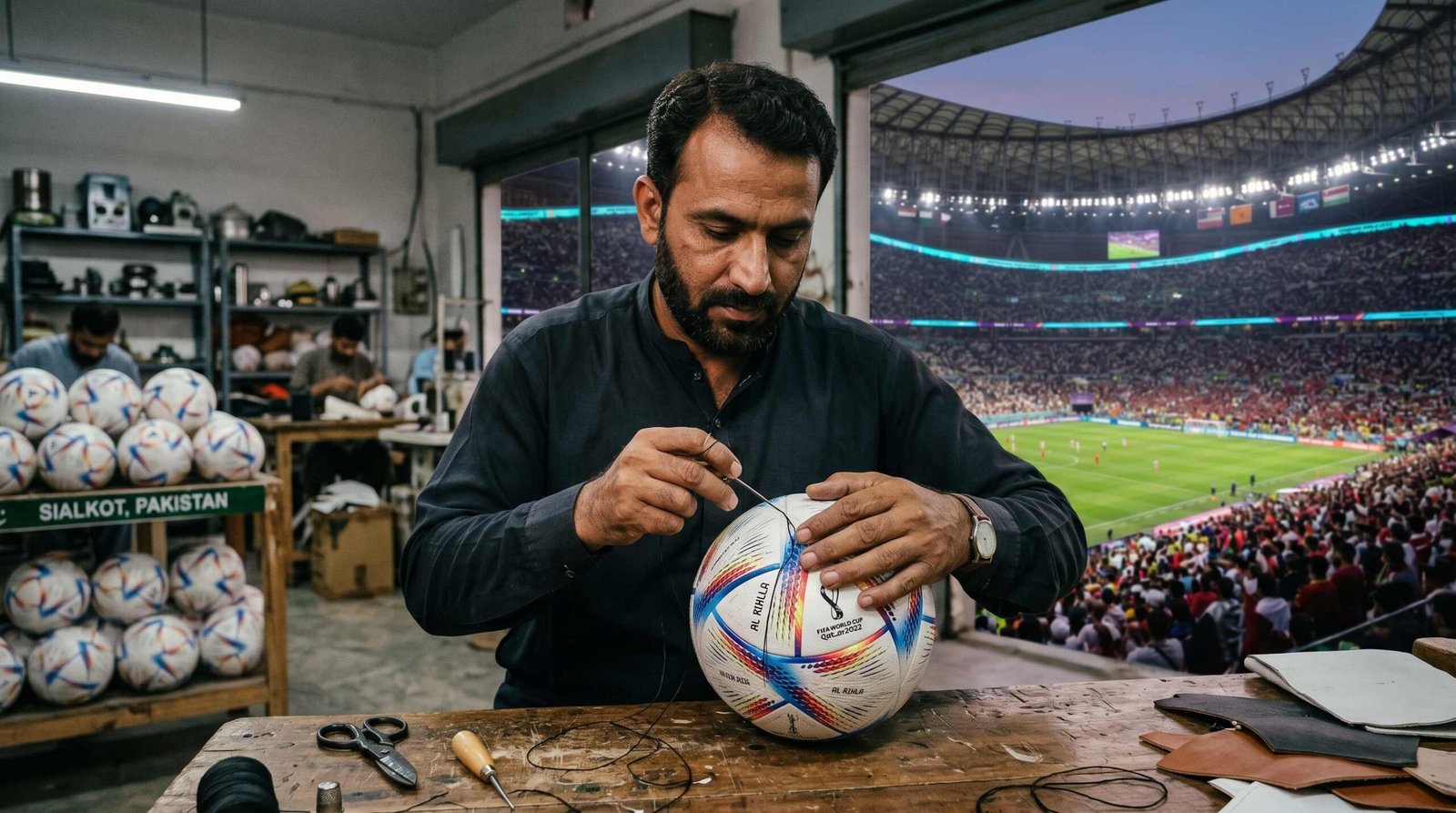
If you’re reading this, you’re likely someone who cares about where quality comes from. Maybe you’re sourcing sports equipment for your club, your league, or your business. Maybe you’re simply curious about the supply chain behind the world’s biggest sporting event. Either way, you’re about to discover why Sialkot matters, not just to football, but to anyone who believes that craftsmanship still has a place in a mass-produced world.
This article pulls back the curtain on an industry that most people never think about, but that touches nearly every football ever kicked in anger. We’ll cover the history, the economics, the human stories, and what it all means for buyers and brands in 2026 and beyond.
Why Sialkot? The Accidental Birth of a Global Industry
A Saddle Maker and a Broken Ball
The origin story of Sialkot’s football industry is almost too perfect to be true.
In the late 19th century, a British army officer stationed in the region grew frustrated waiting for repairs on his leather football. He handed it to a local saddle maker, a craftsman already skilled in working with leather, and asked him to fix it. That saddle maker’s repair shop became the seed of an industry that now produces an estimated 70% of the world’s hand-stitched footballs, with annual output exceeding 40 million units.
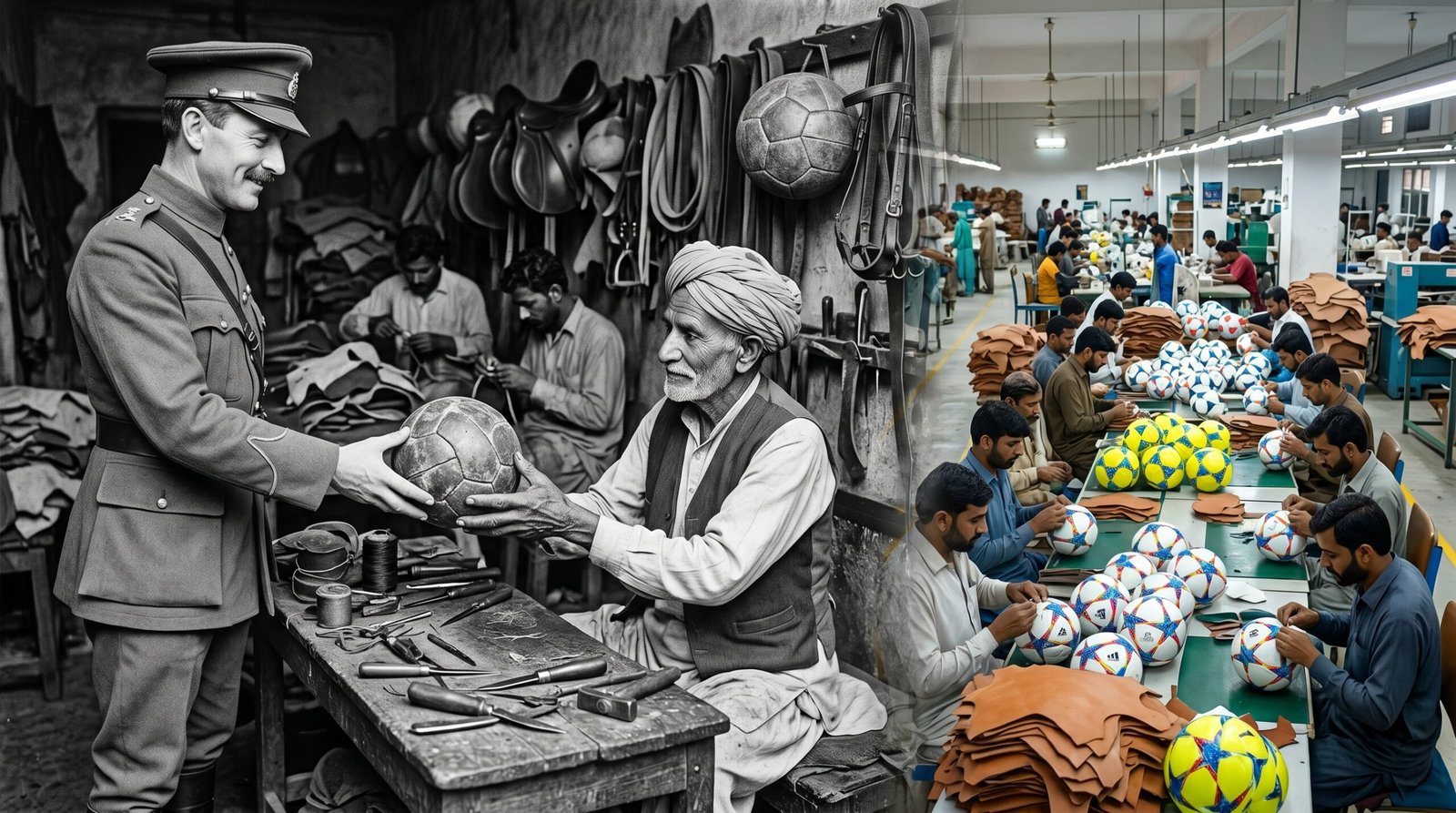
What makes this story relevant today isn’t nostalgia. It’s the principle it established: Sialkot’s competitive advantage has always been specialized manual skill applied to sports equipment. That same principle now extends far beyond footballs to cricket gear, hockey sticks, American football equipment, and the custom apparel your team wears.
From Colonial Repair Shop to World Cup Supplier
Sialkot’s sports manufacturing journey didn’t happen overnight. The timeline tells a story of gradual, then explosive, growth:
| Era | Milestone | Significance |
| 1883 | First cricket bats and hockey sticks produced | Foundation of sports manufacturing culture |
| 1918 | First footballs exported to British Army in Singapore | Entry into international football supply |
| 1950s | Expansion into international football markets | Post-colonial export growth begins |
| 1970s | Small workshops evolve into competitive export cluster | Industrial scaling |
| 1982 | “Tango” ball used at FIFA World Cup | Global recognition; waterproof sealing technology introduced |
| 1990s | Integration into global brand supply chains (Adidas, Nike, Puma) | Direct partnership with major brands |
| 2014 | Forward Sports produces Adidas Brazuca (FIFA World Cup official ball) | Peak credibility as match-ball manufacturer |
| 2018 | Telstar 18 produced for FIFA World Cup Russia | Sustained partnership with Adidas |
| 2022 | Al Rihla produced for FIFA World Cup Qatar | First thermo-bonded World Cup ball from Sialkot |
| 2026 | Trionda official match ball for FIFA World Cup 2026 | Continued role in tournament supply |
Expert insight: The 1982 Tango ball was a turning point not because of design, but because of technology. Sialkot manufacturers developed waterproof sealing that kept the ball’s weight consistent in wet conditions, a problem that had plagued leather footballs for decades. This wasn’t marketing; it was engineering born from necessity.
The Numbers That Matter: Understanding Sialkot’s Scale
Production Volume and Market Share
Let’s talk about what “70% of hand-stitched footballs” actually means in practice:
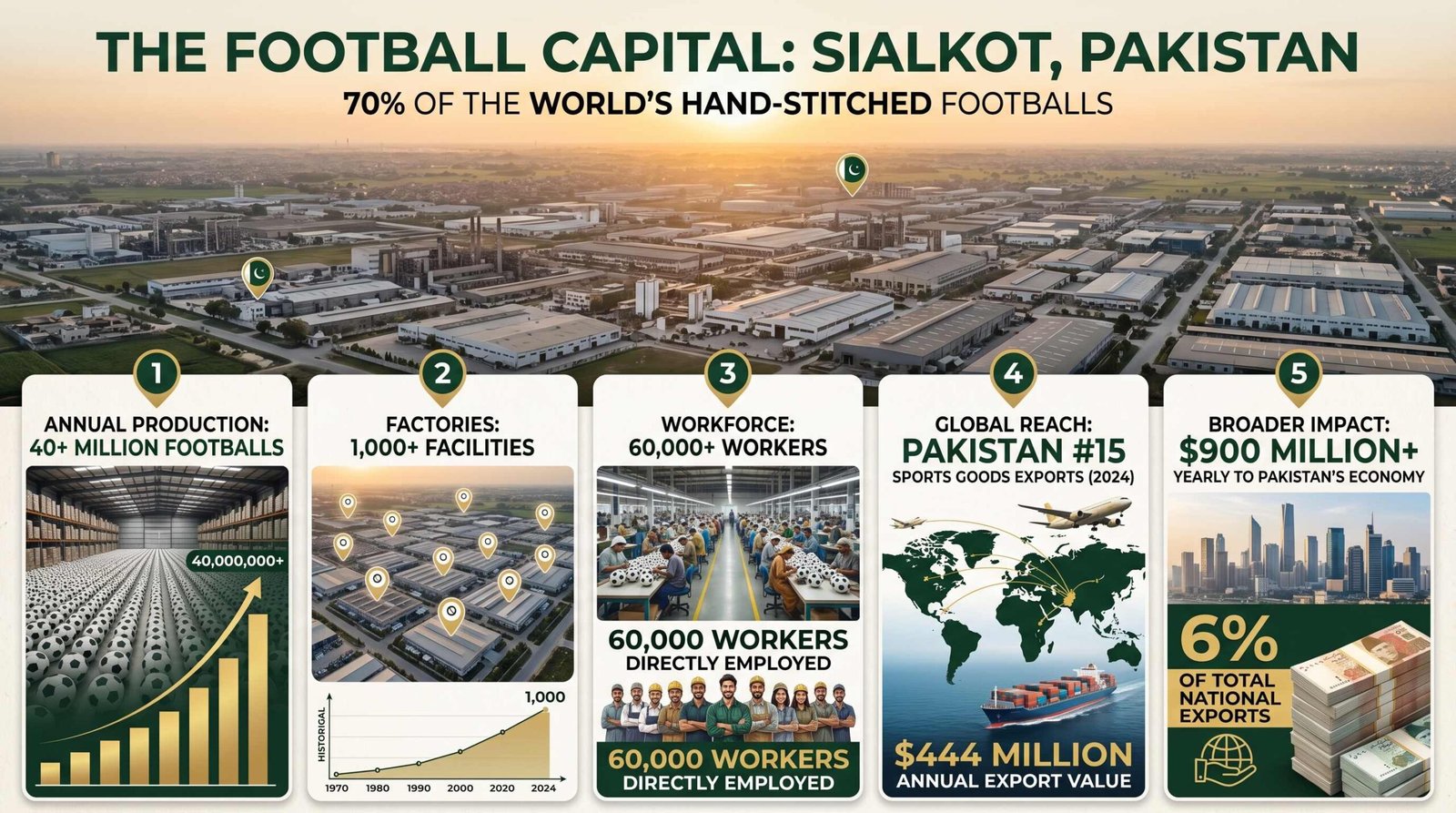
- Annual production: 40+ million footballs (industry estimates)
- Factories: Approximately 1,000 facilities across the city and surrounding region
- Workforce: Over 60,000 workers directly employed in football production
- Export value: Pakistan ranked 15th globally in sports goods exports in 2024, with approximately $444 million in annual export value
- Broader economic impact: The Sialkot sports industry contributes over $900 million yearly to Pakistan’s economy, representing roughly 6% of total national exports
To put this in perspective: if you picked up a hand-stitched football anywhere in the world, at a school in Texas, a club in Germany, or a street game in Brazil, there’s a better-than-even chance it was made in Sialkot.
The Brands That Trust Sialkot
Sialkot doesn’t just produce generic balls. It manufactures for the biggest names in sports:
- Adidas , Official FIFA World Cup ball supplier since 1982; Forward Sports (Sialkot) has produced match balls for the 2014, 2018, 2022, and 2026 tournaments
- Nike , Multiple product lines sourced from Sialkot manufacturers
- Puma , Long-term sourcing relationship
- Select , Danish brand with significant Sialkot production
- Decathlon , Mass-market sports retailer sourcing from the region
- Lotto, Umbro, Mitre, Wilson , Additional brand partnerships
Why this matters for buyers: When Adidas trusts a Sialkot manufacturer to produce the official FIFA World Cup 2026 match ball, the most scrutinized piece of sports equipment on the planet, that tells you something about the quality standards achievable in this region. It’s not about “cheap labor.” It’s about accumulated expertise.
How a World Cup Ball Is Actually Made
The Hand-Stitching Process
A standard football consists of 20 hexagons and 12 pentagons, requiring approximately 690 stitches. More than 80% of footballs produced in Sialkot are still hand-stitched.
Here’s what that process looks like in practice:
- Panel cutting: Synthetic or leather panels are precision-cut using templates
- Stitching: Workers sew panels together, typically working from the outside so stitches are concealed when the ball is turned right-side out
- Turning: The outer layer is inverted so seams are hidden, creating the smooth surface players expect
- Bladder insertion: The internal bladder (usually latex or butyl) is inserted and sealed
- Inflation and testing: Each ball is inflated and checked for shape retention, rebound consistency, and air retention
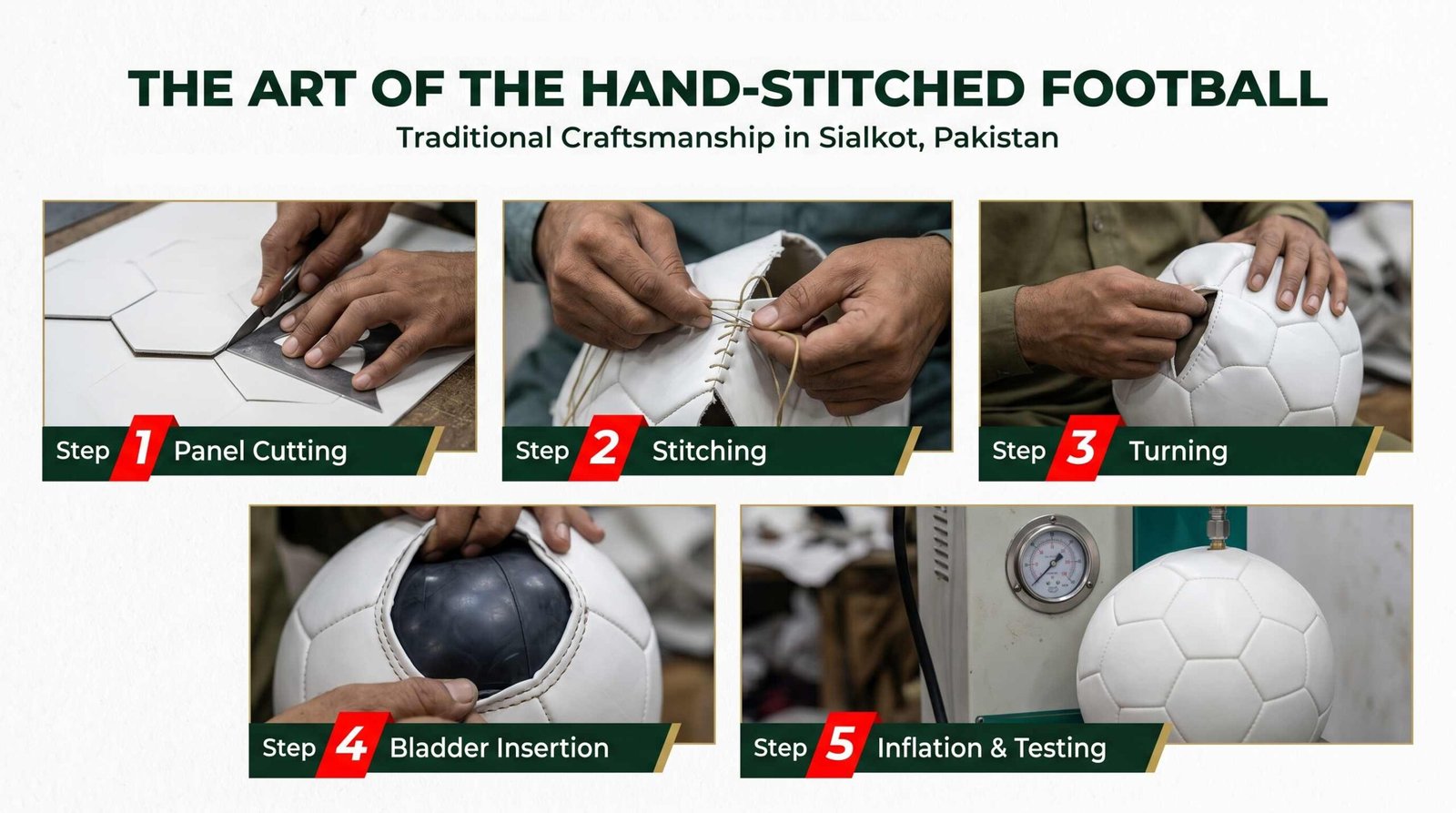
Why hand-stitching still matters: Despite machine alternatives, hand-stitched balls are widely regarded in the industry for:
- Superior durability under repeated impact
- More consistent feel and weight distribution
- Lower water absorption compared to some machine-made alternatives
- Better flight predictability, critical at elite levels
The Shift to Thermo-Bonding
The 2022 FIFA World Cup ball (Al Rihla) marked a significant evolution: it was the first official match ball made with thermo-bonding instead of hand-stitching. The FIFA World Cup 2026 ball (Trionda) continues this technology.
This shift matters for Sialkot because it represents both a threat and an opportunity:
- Threat: Thermo-bonding reduces reliance on the hand-stitching skill that has been Sialkot’s core advantage
- Opportunity: Sialkot manufacturers have adapted, investing in the equipment and training needed for bonded construction while maintaining their hand-stitching expertise for training balls, replica balls, and lower-tier match balls
Expert tip for buyers: If you’re sourcing footballs for your club or business, understand the difference. Thermo-bonded balls offer consistent performance and are ideal for elite match play. Hand-stitched balls offer better durability and value for training and recreational use. The best suppliers, like those in Sialkot, can offer both.
The Human Side: Who Makes These Balls?
Workforce Composition
The Sialkot football industry employs over 60,000 workers across roughly 1,000 factories.
Where a few industries alone employ over 5,000 skilled professionals and produce over 1.5 million balls monthly.
What’s often overlooked is the gender dimension: An industry in Sialkot proudly employs over 1,000+ female workers with a 94.6% retention rate, offering equal pay and growth opportunities in a region where female workforce participation is traditionally low.
Sialkot Beyond Football: The Full Sports Ecosystem
What Else Gets Made Here?
Sialkot’s reputation isn’t limited to footballs. The city produces:
| Category | Products | Notable Details |
| Cricket | Bats, balls, protective gear, kits | Sialkot is a major global supplier of cricket equipment |
| Hockey | Sticks, balls, goalkeeper gear | Production since 1883 |
| American Football | Balls, protective equipment | Growing segment for US market |
| Combat Sports | Gloves, punching bags, protective gear | Expanding category |
| Rugby | Balls, protective equipment | Part of diversified output |
| Surgical Instruments | Precision medical tools | Second major Sialkot industry |
| Musical Instruments | Guitars, drums, accessories | Lesser-known but significant |
Why This Diversification Matters for Your Business
If you’re reading this as a sports business owner, coach, or procurement manager, here’s the practical takeaway: Sialkot’s manufacturing ecosystem means you can source multiple product categories from a single region with established quality controls, logistics infrastructure, and export experience.
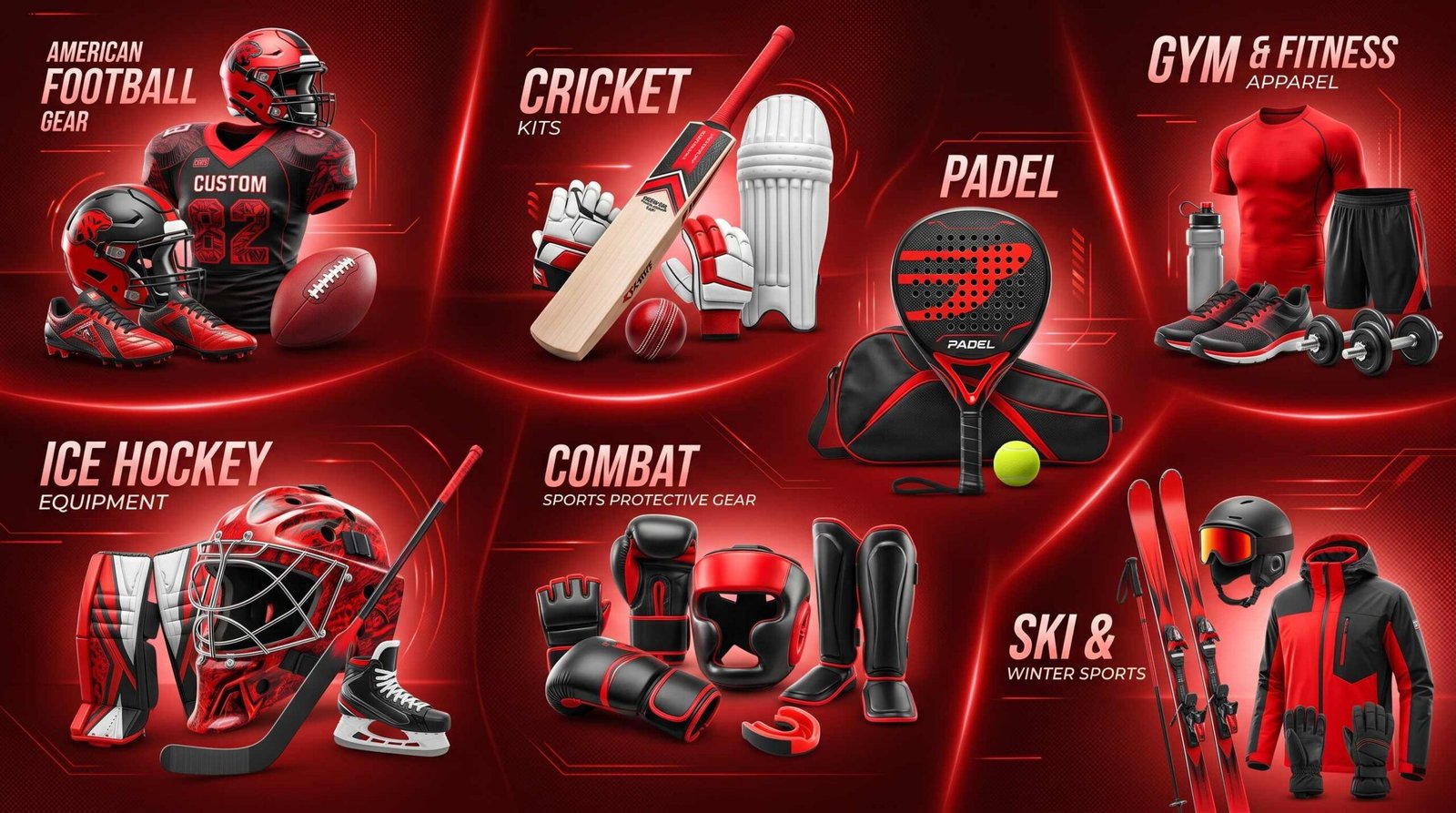
At Athloxine, we work with manufacturers in this ecosystem because the same craftsmanship culture that produces FIFA World Cup match balls also produces:
- Custom American football gear
- Ice hockey equipment
- Cricket kits
- Combat sports protective gear
- Padel equipment
- Gym and fitness apparel
- Ski and winter sports gear
The supply chain knowledge is transferable. The quality standards are consistent.
The Challenges Sialkot Faces (And What They Mean for Buyers)
Competition from China
Sialkot’s market share has been pressured from two directions:
- Low-end competition: Machine-stitched balls from China can be produced more cheaply, though quality is often inferior
- High-end competition: Thermo-bonded technology has shifted some elite production away from traditional hand-stitching centers
What buyers should know: This competitive pressure has actually improved Sialkot’s value proposition. Manufacturers who have survived are the ones who invested in quality, technology, and compliance. The “cheap and cheerful” producers have largely been squeezed out, which means if you’re sourcing from Sialkot today, you’re likely working with a more professional operation than you would have been a decade ago.
Infrastructure and Logistics
Sialkot is notable for having Pakistan’s first privately owned and operated international airport.
This isn’t just a nice story; it means:
- Faster export turnaround times
- More reliable air freight options
- Direct connections to major global markets
For buyers, this translates to more predictable delivery schedules and lower logistics risk.
The Need for Continuous Modernization
Industry observers have noted that government support and investment in R&D are crucial for Sialkot to maintain its competitive edge.
The manufacturers that are thriving are the ones making these investments themselves by investing in digital 3D modeling, CAD tools, eco-friendly materials, and FIFA-certified testing labs.
What the FIFA World Cup 2026 Means for Sialkot, and for You
The Trionda Connection
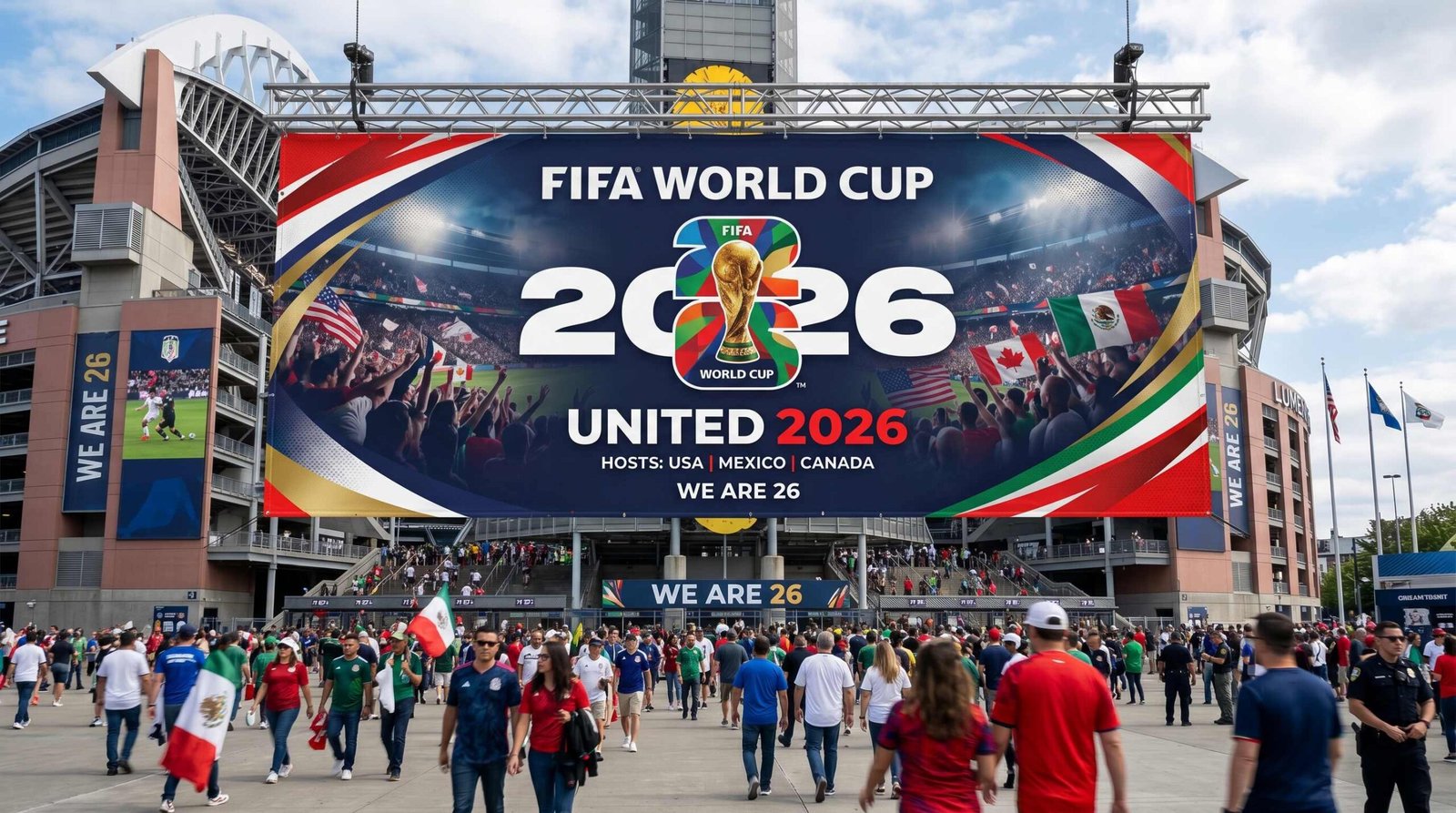
The official match ball for the FIFA World Cup 2026 is the Adidas Trionda, produced by Forward Sports in Sialkot.
This continues a partnership that has now spanned four consecutive World Cups.
Why this is significant beyond the tournament itself:
- It validates Sialkot’s ability to meet the most demanding quality standards in sports manufacturing
- It maintains Pakistan’s visibility in the global sports supply chain at a time when diversification is accelerating
- It creates a “halo effect” that benefits other manufacturers in the region
What Buyers Can Learn from World Cup Standards
The standards applied to a World Cup match ball are instructive for anyone sourcing sports equipment. Here’s what Adidas and FIFA require:
- Weight: 410-450g at the start of the match
- Circumference: 68-70cm
- Rebound consistency: Uniform rebound from all angles and surfaces
- Water absorption: Minimal weight gain in wet conditions
- Shape retention: No deformation under pressure
- Air retention: Minimal pressure loss over time
These aren’t arbitrary numbers. They represent the difference between equipment that performs predictably and equipment that fails at the worst possible moment.
Expert tip: When evaluating a supplier, ask if they can explain how they test for these metrics. A manufacturer that understands why these standards matter, not just what they are, is a manufacturer worth working with.
How to Source Quality Sports Equipment from Pakistan’s Manufacturing Hub
Red Flags to Avoid
Based on industry experience, here are warning signs when evaluating a Sialkot-based supplier:
- No factory audit capability: If they won’t let you (or a third party) visit or audit, walk away
- Vague about materials: “Synthetic leather” isn’t an answer. Ask for specific material grades and certifications
- No quality control documentation: Professional manufacturers have testing records
- Unrealistic pricing: If it’s significantly cheaper than competitors, there’s usually a reason
- No export experience: First-time exporters often struggle with documentation, customs, and logistics
Green Flags to Look For
- Brand partnerships: Do they manufacture for recognized brands? (This is verifiable)
- Certifications: ISO, FIFA Quality Pro, or equivalent standards
- Transparent labor practices: Willingness to discuss wages, conditions, and audits
- R&D investment: Evidence of design capability, not just replication
- Environmental commitments: Modern buyers increasingly expect sustainability metrics
Questions to Ask Your Supplier
- “Can you show me your quality control process from raw material to finished product?”
- “What percentage of your production is hand-stitched versus machine-stitched versus thermo-bonded?”
- “Do you have third-party audit reports for labor and environmental compliance?”
- “What’s your typical lead time for a custom order, and what’s your on-time delivery rate?”
- “Can you provide references from current or past international clients?”
About the Author
This article was written by the team at Athloxine, a sports apparel and equipment business that works directly with manufacturers in Sialkot and other global production centers. We’ve visited these factories, met the workers, inspected the production lines, and shipped products to clients across multiple continents.
We don’t write about Sialkot because it’s trendy. We write about it because it’s where much of the world’s quality sports equipment actually comes from, and because we believe buyers deserve to understand their supply chains.
Our product range includes LOX Certified gear for American football, ice hockey, soccer, cricket, kilikiti, combat sports, and padel, plus custom manufacturing for gym/fitness, yoga/pilates, ski/winter sports, lifestyle/streetwear, puffer jackets, and running/outdoor sports.
Frequently Asked Questions (FAQs)
No, Pakistan has never qualified for the FIFA World Cup finals. However, the country plays a major role in producing the balls used in the tournament, particularly from Sialkot, which manufactures approximately 70% of the world’s hand-stitched footballs.
Sialkot, Pakistan produces around 70% of the world’s hand-stitched footballs, with annual output exceeding 40 million units. The city also produces machine-stitched and thermo-bonded balls for major international brands.
Forward Sports, founded in 1991 by Khawaja Masood Akhtar, is the primary manufacturer of official Adidas FIFA World Cup match balls. They produced the Brazuca (2014), Telstar 18 (2018), Al Rihla (2022), and Trionda (2026).
A typical worker earns approximately $35 per week. While this is below Western standards, major manufacturers have faced scrutiny and some have committed to minimum wage compliance and improved conditions.
No. Sialkot also manufactures cricket equipment, hockey sticks, American football gear, rugby equipment, combat sports gear, surgical instruments, and musical instruments. It’s a diversified manufacturing hub with over a century of production history.
The official match ball is the Adidas Trionda, produced by Forward Sports in Sialkot, Pakistan.
Request factory audit reports, brand partnership references, quality control documentation, and export experience verification. Reputable manufacturers will provide this information transparently.
Hand-stitched balls generally offer better durability, more consistent feel, lower water absorption, and more predictable flight behavior. However, thermo-bonded balls (machine-made) offer faster production and consistent performance for elite match play.
Looking for quality sports equipment sourced with transparency?
At Athloxine, we bridge the gap between Sialkot’s manufacturing expertise and your team’s needs. Whether you need LOX Certified gear for soccer, American football, cricket, or combat sports, or custom apparel for your gym, ski club, or streetwear line, we handle the sourcing, quality control, and logistics so you don’t have to.